Camden Council rules for bulky waste disposal in Belsize Park
If you live in Belsize Park and you've got an old sofa, broken wardrobe, mattress, or a pile of household clutter that won't fit into the normal bins, the rules can feel annoyingly unclear. What counts as bulky waste? Who collects it? Do you need to book with Camden Council, or is there a better option for your flat, house, or managed property? This guide explains Camden Council rules for bulky waste disposal in Belsize Park in plain English, with practical steps, common mistakes, and a few real-world pointers that can save you time, hassle, and a dodgy-looking pile on the pavement.
Truth be told, bulky waste is one of those tasks that seems simple until you are standing in a hallway with a dismantled bed frame and nowhere to put it. Let's sort it properly.
Quick takeaway: if an item is too large for normal household bins, you usually need a planned collection, a licensed disposal route, or a reuse option. In a place like Belsize Park, where pavements are busy and space is tight, planning matters more than ever.
Table of Contents
- Why Camden Council rules for bulky waste disposal in Belsize Park Matters
- How Camden Council rules for bulky waste disposal in Belsize Park Works
- Key Benefits and Practical Advantages
- Who This Is For and When It Makes Sense
- Step-by-Step Guidance
- Expert Tips for Better Results
- Common Mistakes to Avoid
- Tools, Resources and Recommendations
- Law, Compliance, Standards, or Best Practice
- Options, Methods, or Comparison Table
- Case Study or Real-World Example
- Practical Checklist
- Conclusion
- Frequently Asked Questions
Why Camden Council rules for bulky waste disposal in Belsize Park Matters
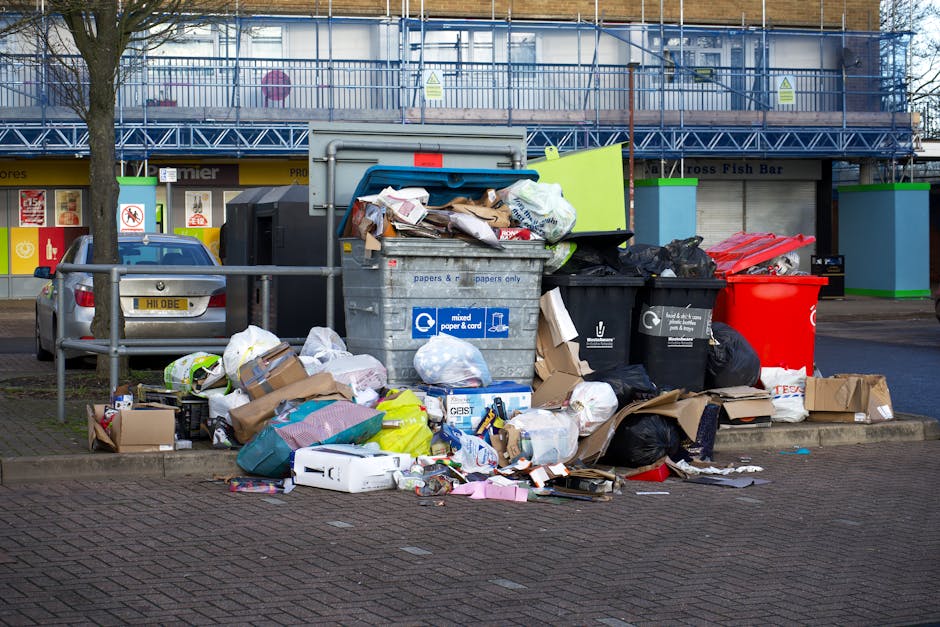
Bulky waste rules matter because large items are harder to move, more likely to block shared access, and easier to dispose of badly if you rush the job. In Belsize Park, that has a few knock-on effects. A mattress left in a communal bin store can frustrate neighbours. A sofa left near the kerb can attract complaints. And if you choose the wrong disposal route, you may end up paying twice - once for the item to be removed and again for someone to fix a mess that should never have happened.
The rules also matter because bulky waste is not just "rubbish". Some items can be reused, some should be recycled, and some need special handling. A fridge, for example, is a different conversation from an old coffee table. Upholstered furniture, electrical items, and construction leftovers all tend to follow different expectations. That is why a bit of upfront checking pays off.
There is also a practical London reality here. Streets around Belsize Park can be narrow, parking can be awkward, and neighbours do notice what is left outside. If you manage a flat, a rental, or a small business nearby, a tidy, compliant approach helps keep things calm. No drama. No awkward notes in the lobby.
How Camden Council rules for bulky waste disposal in Belsize Park Works
At a high level, bulky waste disposal usually works in one of three ways: you book a council collection, you take items to an approved recycling or reuse route, or you arrange a private clearance service that handles the lifting and disposal for you. The right option depends on the item, the amount of waste, your access conditions, and how quickly you need it gone.
For council-led collections, the process is normally designed for residents who have larger household items that will not fit into standard bins. You typically need to identify the items, book the collection, and make sure they are left out in the correct place and at the correct time. The key point is this: do not assume "put it outside" is enough. Timing and placement matter, especially where pavements are shared and busy.
Private clearance can be useful when you have several items, difficult access, or a tight deadline. For example, a third-floor flat without a lift is not the same as a ground-floor maisonette with a front drive. The more awkward the access, the more helpful a hands-on service becomes. If you are thinking ahead about wider decluttering or post-renovation tidying, pages like house clearance and deep cleaning may also be useful once the bulky items are out of the way.
Reuse is worth mentioning too. Not every old item needs to go straight to disposal. If a sofa is still structurally sound or a table is repairable, reuse can be a better environmental choice. Camden residents who are trying to keep waste down may also find the broader approach on recycling and sustainability helpful when deciding what should be recycled, repurposed, or removed.
What usually counts as bulky waste?
Bulky waste generally means household items too large for normal refuse collections. Common examples include sofas, armchairs, mattresses, wardrobes, beds, tables, chairs, carpets, drawers, and some large electricals. But "bulky" is not a fixed magic word that covers everything. A few small bags of general rubbish are not bulky waste just because they are awkward. Likewise, building rubble, hazardous materials, and trade waste usually follow different rules.
That distinction matters. It is the sort of thing people get wrong when they are in a hurry on a Sunday morning, staring at a broken bookcase and thinking, "Surely this all goes the same way?" Usually, it does not.
Why location changes the experience
Belsize Park has a local feel that changes the practical side of waste disposal. Flats, mansion blocks, mews homes, and shared entrances all make access and storage more delicate. Items left in communal areas can get in the way fast. If you live in a managed building, check whether the building has its own rules for temporary waste storage, especially if the item needs moving through shared hallways or down narrow staircases.
Key Benefits and Practical Advantages
Following the proper bulky waste route gives you more than just an empty room. It reduces hassle, keeps neighbours happy, and helps you avoid the classic "we'll sort it later" pile that somehow survives for weeks. In real life, that matters.
- Cleaner access and safer pathways: No tripping hazards in hallways, front gardens, or communal entrances.
- Less risk of complaints: Useful in flats and terraces where one item can create a lot of friction.
- Better chance of reuse or recycling: A workable item may be suitable for a second life rather than immediate disposal.
- More predictable timing: Booking ahead is much easier than scrambling at the last minute.
- Less stress for landlords and tenants: Especially at move-out time, when there are already ten things going on at once.
There is also a hidden benefit: when bulky waste is handled properly, the rest of the property tends to feel easier to manage. Clear the old wardrobe and suddenly cleaning the alcove is simple. Remove the mattress and the room breathes again. Small win, but a real one.
If your bulky waste forms part of a larger property reset, you may also want to look at move-out cleaning or end of tenancy cleaning so the timing lines up sensibly. That is especially helpful for rentals in NW3 where inspections can come around quickly.
Who This Is For and When It Makes Sense
This topic is relevant to a surprisingly wide mix of people. You may think bulky waste is just a one-off household job, but in practice it often involves renters, landlords, property managers, homeowners, letting agents, and even small offices or local businesses with unwanted furniture.
Common situations where bulky waste disposal comes up
- You are replacing a sofa, bed, or mattress after a move.
- You are clearing space before decorators, cleaners, or contractors arrive.
- You need to remove damaged furniture from a rental property.
- You have inherited household items that need sorting quickly and respectfully.
- You are dealing with communal clutter in a block of flats.
- You are making room in a home office or small commercial space.
It makes sense to act early if the item is large, awkward, heavy, or sitting in a space where it causes obstruction. It also makes sense if the item has to pass through a narrow staircase or shared corridor. The longer you wait, the more likely it is that the item becomes part of the furniture - ironically.
For landlords and agents, good timing matters even more. A removal that happens before final cleaning is usually smoother than one squeezed in after keys are returned. If you manage properties in the area, you might also find regular cleaning and house cleaning useful once bulky items are out and the space needs resetting.
Step-by-Step Guidance
Here is a sensible, no-nonsense way to handle bulky waste in Belsize Park without creating extra work for yourself.
- Identify every item clearly. Write down what needs removing. Be specific: "two-seat sofa," "double mattress," "flat-pack wardrobe," not just "furniture".
- Check whether it is reusable, recyclable, or general bulky waste. If it is in decent condition, think reuse first. If it is broken beyond repair, disposal is more likely.
- Measure access routes. Doorways, staircases, lifts, and front paths matter. One extra minute with a tape measure can save a lot of cursing later.
- Decide on the right route. Council collection, private clearance, or another approved route depending on urgency and item type.
- Prepare the item properly. Remove loose contents, empty drawers, detach legs if needed, and keep all sharp edges safe.
- Follow local placement instructions. If a collection is booked, items usually need to be placed exactly where requested, and not left out too early.
- Keep the area tidy after removal. Sweep up screws, staples, and dust. A lot of people forget this part. It makes a bigger difference than you might think.
One practical tip: if you are disposing of multiple items, group them by type before collection day. Mattresses together, wooden furniture together, and anything electrical separated out if needed. That little bit of order makes the whole process easier to inspect, lift, and remove cleanly.
Expert Tips for Better Results
After dealing with enough household clearances, one lesson stands out: most bulky waste problems come from poor preparation, not the item itself. The item is only half the story. The other half is access, timing, and making sensible decisions before collection day.
1. Clear the route first, not last
Always check the route from the item to the exit before moving anything. Sounds obvious, but people often forget a shoe rack, a plant stand, or a stack of bags in the way. Then the whole thing becomes a clumsy shuffle. Start with the path, and the job feels half as hard.
2. Separate anything that could be reused
If a chair is still usable, do not crush it into the same pile as broken waste. Set aside the good stuff. It gives you more disposal options, and it is generally the right thing to do.
3. Be realistic about heavy items
Bulky items are often heavier than they look. A wardrobe is never just a wardrobe; it is a wardrobe plus dust, fixings, and awkward balance. If lifting looks risky, get help. Injured backs are not a clever shortcut.
4. Keep the collection area discreet and compliant
In a busy area like Belsize Park, items left in the wrong place can quickly annoy neighbours or block access. Keep the set-out area neat and do not spread items across the pavement.
5. Match disposal to the bigger project
If you are clearing a property ahead of cleaning, redecoration, or a tenancy handover, line up the jobs in order. Removal first, then clean, then final checks. That sequence tends to work best. It is boringly effective, which is fine by me.
If the end result matters - and it usually does - combining removal with services like one-off cleaning can save a second round of disruption. You only want to shift heavy items once if you can help it.
Common Mistakes to Avoid
Most bulky waste headaches come from a handful of predictable mistakes. Avoid these and you are already ahead of the game.
- Leaving items out too early: This can create obstruction, complaints, or a missed collection if the setup is wrong.
- Mixing the wrong waste streams: Electricals, furniture, and building debris may need different handling.
- Not checking access: A sofa may fit in theory and fail badly in practice.
- Assuming "someone will take it": That is how items sit there for weeks.
- Using unlicensed or unclear disposal routes: This can create liability and environmental problems.
- Forgetting building rules: Shared entrances and managed blocks often have their own procedures.
Another mistake is underestimating how a single item changes the whole room. A mattress leaning against the wall, for example, makes cleaning awkward and can get damp or dusty if left too long. Same with a broken chest of drawers; the room just feels unfinished until it goes.
Tools, Resources and Recommendations
You do not need fancy equipment for most bulky waste jobs, but a few simple tools make the process safer and cleaner.
| Tool or item | Why it helps | Best use |
|---|---|---|
| Measuring tape | Checks doorway and stair clearance | Before moving large furniture |
| Work gloves | Protects hands from splinters and sharp fixings | Handling broken or dusty items |
| Furniture blanket | Reduces scuffs and makes sliding easier | Narrow hallways and door frames |
| Trolley or sack truck | Helps with heavier loads | Ground-floor moves or short routes |
| Screwdriver or Allen key | Useful for dismantling flat-pack furniture | Before collection or transport |
| Bin liners or dust sheets | Collects loose debris and keeps areas tidy | After item removal |
For broader property preparation, it can also help to think beyond the single bulky item. If you are clearing a room that has stains, dust, pet smells, or old soft furnishings, services such as sofa cleaning, mattress cleaning, and carpet cleaning may improve the space once the clutter is gone.
And if the job has a commercial side - say a small office replacing desks or chairs - commercial cleaning and office cleaning are worth considering alongside disposal. No point clearing the room if the floor is still full of dust, is there?
Law, Compliance, Standards, or Best Practice
Bulky waste disposal sits in the wider context of responsible waste handling. The key principle is simple: waste should go to the correct route, be handled safely, and not be dumped where it causes nuisance, obstruction, or environmental harm. In the UK, that general standard is important whether you are a homeowner, tenant, landlord, or business.
In practice, best behaviour is often straightforward:
- Do not leave large items in a way that blocks access or creates hazards.
- Use legitimate collection or disposal routes.
- Keep items separated if they need different treatment.
- Follow any local building or property management instructions.
- Make sure whoever handles the waste is appropriately insured and equipped where relevant.
If you are arranging a private clearance, it is sensible to check that the provider works carefully, transports waste properly, and has the right safeguards in place. Pages like insurance and safety and health and safety policy are the kind of thing that help you judge whether a service takes the work seriously. Not glamorous reading, maybe, but useful.
Also worth saying: if you are ever unsure whether an item is too hazardous, too heavy, or simply the wrong category for normal disposal, pause and check before moving it. A cautious minute now is better than a messy issue later.
Options, Methods, or Comparison Table
Different disposal routes suit different situations. Here is a plain comparison to help you decide what fits best.
| Method | Best for | Strengths | Limitations |
|---|---|---|---|
| Council collection | Single or limited household bulky items | Simple, familiar, often cost-conscious | May need advance booking and item restrictions |
| Private clearance | Multiple items, awkward access, tight deadlines | Flexible, hands-on, efficient for difficult jobs | Usually costs more than a basic collection |
| Reuse or donation route | Items in good condition | Environmentally friendly, avoids disposal where possible | Not suitable for damaged or heavily worn items |
| Self-transport to a facility | People with a vehicle and time | Direct control over timing | Labour-intensive, not ideal for very large items |
For many Belsize Park residents, the real decision is not "which is cheapest?" but "which is least stressful and least risky?" If the item is huge, the stairs are awkward, and the deadline is tomorrow, convenience starts to matter a lot. We all know that feeling when a simple job turns into a weekend eater.
Case Study or Real-World Example
A typical Belsize Park scenario goes like this. A tenant is moving out of a second-floor flat and has an old bed base, a mattress, and a small wardrobe that will not make the move. The building has a narrow stairwell, shared entrance, and limited outside space. If the tenant leaves everything until the last afternoon, the job becomes stressful very quickly. Someone has to lift heavy items at speed, dust spreads through the hallway, and the final clean is delayed.
The smoother route is more boring, but much better. The tenant measures the route, dismantles the wardrobe early, separates reusable from damaged items, and decides on the best removal option before moving day. Once the bulky items are gone, the room is vacuumed, the corners are checked, and the place feels ready for handover. Quiet, orderly, done.
That same logic works for homeowners too. Maybe you have bought a new sofa and need the old one out before delivery day. Maybe a spare room is filling with furniture that no longer serves a purpose. The principle is the same: plan the exit route, remove the large items first, and then clean the space properly.
And honestly, there is a satisfying moment when the room suddenly looks twice as big. A little old-fashioned domestic magic.
Practical Checklist
Use this checklist before arranging bulky waste disposal in Belsize Park.
- List every item that needs removing.
- Check whether any item could be reused or donated.
- Measure doors, stairs, lifts, and tight corners.
- Confirm whether the building has its own waste rules.
- Separate electrical items, furniture, and loose parts.
- Remove drawers, shelves, legs, and other detachable pieces where sensible.
- Protect floors and walls if the item must travel through a narrow route.
- Book the chosen disposal method in advance.
- Set items out only when and where instructed.
- Do a final sweep for screws, staples, and packaging.
Expert summary: the easiest bulky waste jobs are the ones prepared properly. Measure first, separate items sensibly, and match the disposal method to the size and access conditions. That simple habit saves stress, especially in busy parts of NW3 where space is precious and everyone notices everything.
If you are also refreshing the property once the waste is removed, pairing the disposal with after builders cleaning or move-in cleaning can make the whole transition smoother. It is often the little sequence details that make a job feel effortless rather than chaotic.
Conclusion
Camden Council rules for bulky waste disposal in Belsize Park are easiest to follow when you treat the job as a small project rather than an afterthought. Identify the items, choose the right route, respect access and building rules, and keep the area tidy. That is the heart of it. Simple, but not always easy if you leave it until the last minute.
Whether you are a tenant, landlord, homeowner, or property manager, the aim is the same: remove the large items safely, avoid unnecessary complaints, and leave the property in better shape than you found it. In a neighbourhood like Belsize Park, where homes are compact and shared spaces matter, that thoughtful approach goes a long way.
Get a free quote today and see how much you can save.
And if nothing else, you will enjoy that rare, lovely feeling of looking at an empty corner and thinking, yes, that is better.
Frequently Asked Questions
What counts as bulky waste in Belsize Park?
Bulky waste usually means large household items that do not fit into standard bins, such as sofas, beds, mattresses, wardrobes, tables, and similar furniture. Exact treatment can vary by item type.
Can I leave bulky items outside for collection?
Only if the collection has been booked and you follow the placement instructions. Leaving items out without a plan can create obstruction, complaints, or missed pickups.
Do I need to dismantle furniture before disposal?
Not always, but dismantling can make removal safer and easier, especially in flats or narrow stairwells. If the item is too large to move comfortably, breaking it down is often the sensible move.
What if my item is still usable?
If it is in decent condition, reuse or donation may be a better option than disposal. That can reduce waste and avoid removing something that still has value.
Are electrical items treated differently from furniture?
Often, yes. Large electricals can need separate handling, especially if they contain components that should not be mixed with general bulky waste.
What should landlords do with bulky waste after a tenancy ends?
Landlords should clear unwanted items promptly, check building rules, and plan the removal before final cleaning. It helps prevent delays and avoids issues during handover.
Is private bulky waste removal better than a council collection?
It depends on the situation. Private removal is often better for multiple items, difficult access, or urgent jobs. Council collection may suit simpler household cases.
How do I avoid complaints from neighbours?
Keep items out of shared walkways, follow timing instructions closely, and make sure the set-out area is tidy. In a close-knit street or block, small details matter a lot.
Can bulky waste be collected from a flat with no lift?
Yes, but access affects how the job is planned. Heavy items from upper floors need more care, and sometimes a hands-on removal service is the easiest route.
Should I book cleaning at the same time as bulky waste removal?
Usually, yes if the item is part of a wider property refresh. Removing the furniture first and then cleaning the room tends to be the cleanest, most efficient order.
What is the biggest mistake people make with bulky waste?
Leaving everything too late. Once the item is large, heavy, or awkward, last-minute decisions tend to create stress, mess, and avoidable costs.
How can I make the process faster?
Prepare the items in advance, measure access points, separate what can be reused, and choose the disposal method before collection day. A little planning makes a big difference.